


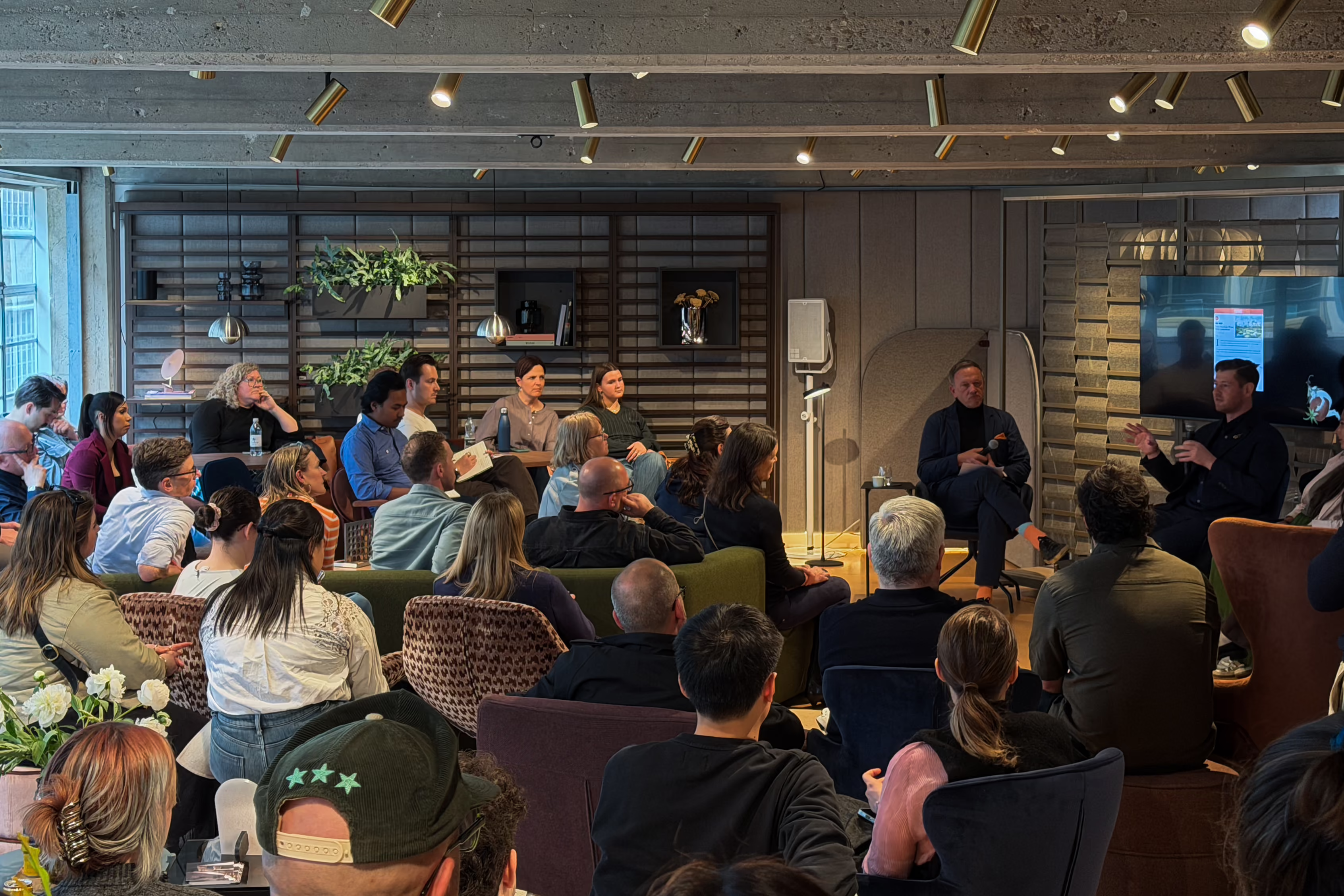
Clerkenwell Design Week increasingly feels less like a launch platform and more like a listening post. Where Milan communicates through objects, Clerkenwell communicates through discourse. It surfaces the tensions, questions and emerging priorities shaping what comes next.
This year, those conversations kept returning to something more specific than the familiar AI vs humanity debate. As systems become more capable, ambient and invisible, how do we make them feel emotionally trustworthy? The strongest thinking on show was cautiously optimistic. The conversation has moved on from what technology can do, to what it should feel like to live alongside it.
What struck me most wasn't any single talk. It was a collective mood. A shared desire to slow down, reconnect and make sense of the growing world of AI together. Nobody had the answers. Across panels and conversations, the uncertainty felt honest and strangely collaborative. People were showing up, leaning in, going on the ride together. There was something quietly reassuring about that.
Signal 1: Trust is the new capability
"Technology should fit people's needs, not change their behaviours."
Amy Peacock, Dezeen
The most interesting AI conversations at Clerkenwell weren’t really about AI. They were about trust.
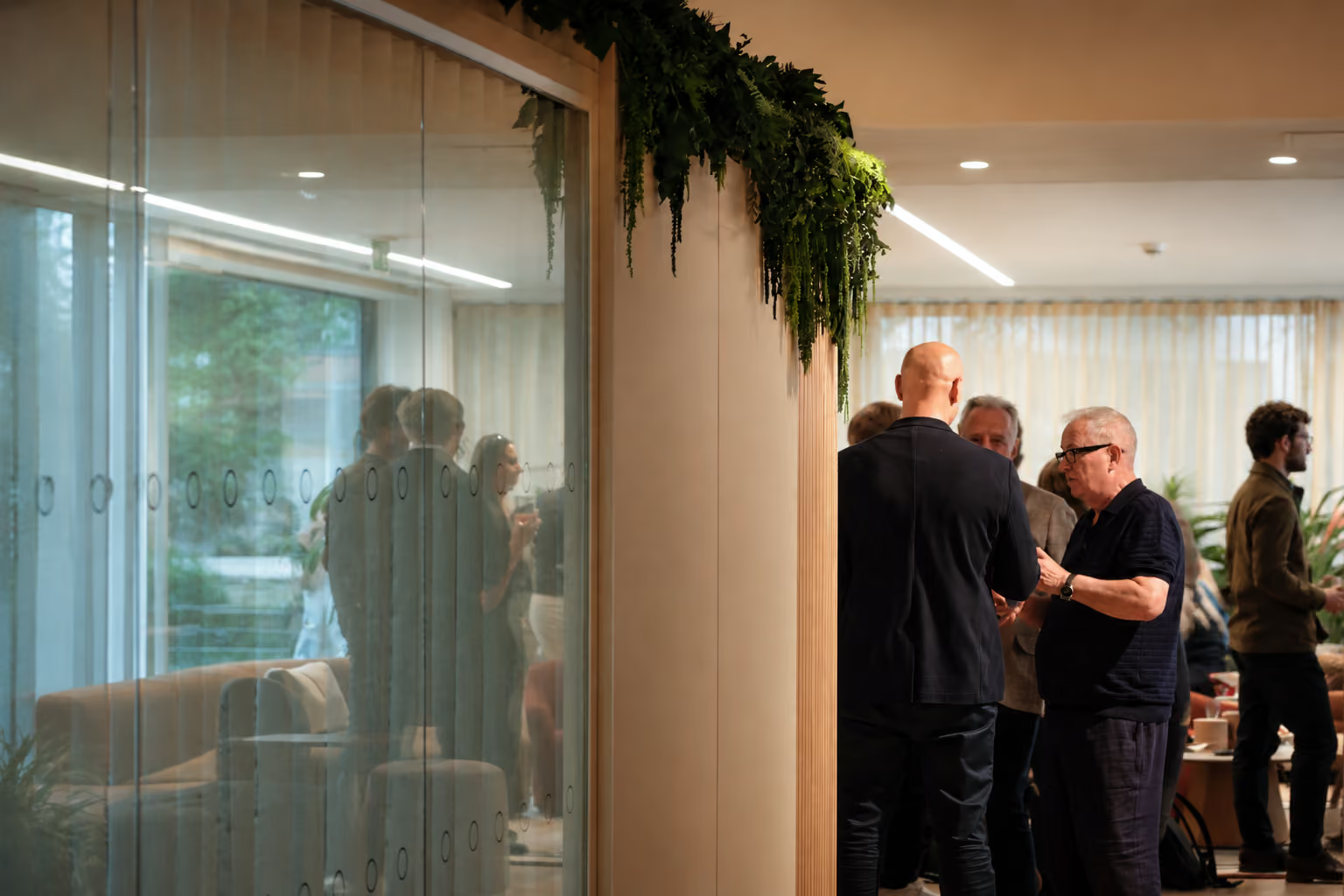
At the Bisley x Dezeen Invisible Workplace talk, the conversation repeatedly returned to presence, reassurance and human behaviour. One point that really stayed with me came from Brandon Lutz from PLAUD AI, who spoke about how mobile phones have started to represent distraction and absence in physical spaces. Their response has been to design AI hardware that exists separately from the phone, technology intended to fade into the background rather than compete for attention.
The moment that noticeably shifted the energy in the room came from Brandon again when he shared the example of an oncologist using AI to remove administrative burden so they could simply be present with a patient. Not replacing people, but allowing them to return to what matters most. You could feel the collective relief in the room. Here, finally, was a version of AI people actually wanted to believe in.
What the panel was also honest about is that this trust is far from universal. Across the conversation there was a recurring acknowledgement that AI literacy is unevenly distributed, and that people still almost apologise for using it. Several speakers stressed that the real challenge isn’t the technology itself, but helping people understand where it genuinely adds value. As one speaker put it,, the starting point is taking the technology out of the room entirely and asking: what are we actually trying to solve?
Signal 2: Grounded futurism
"What our future looks like is actually the deep past."
Jules Archard, Domus
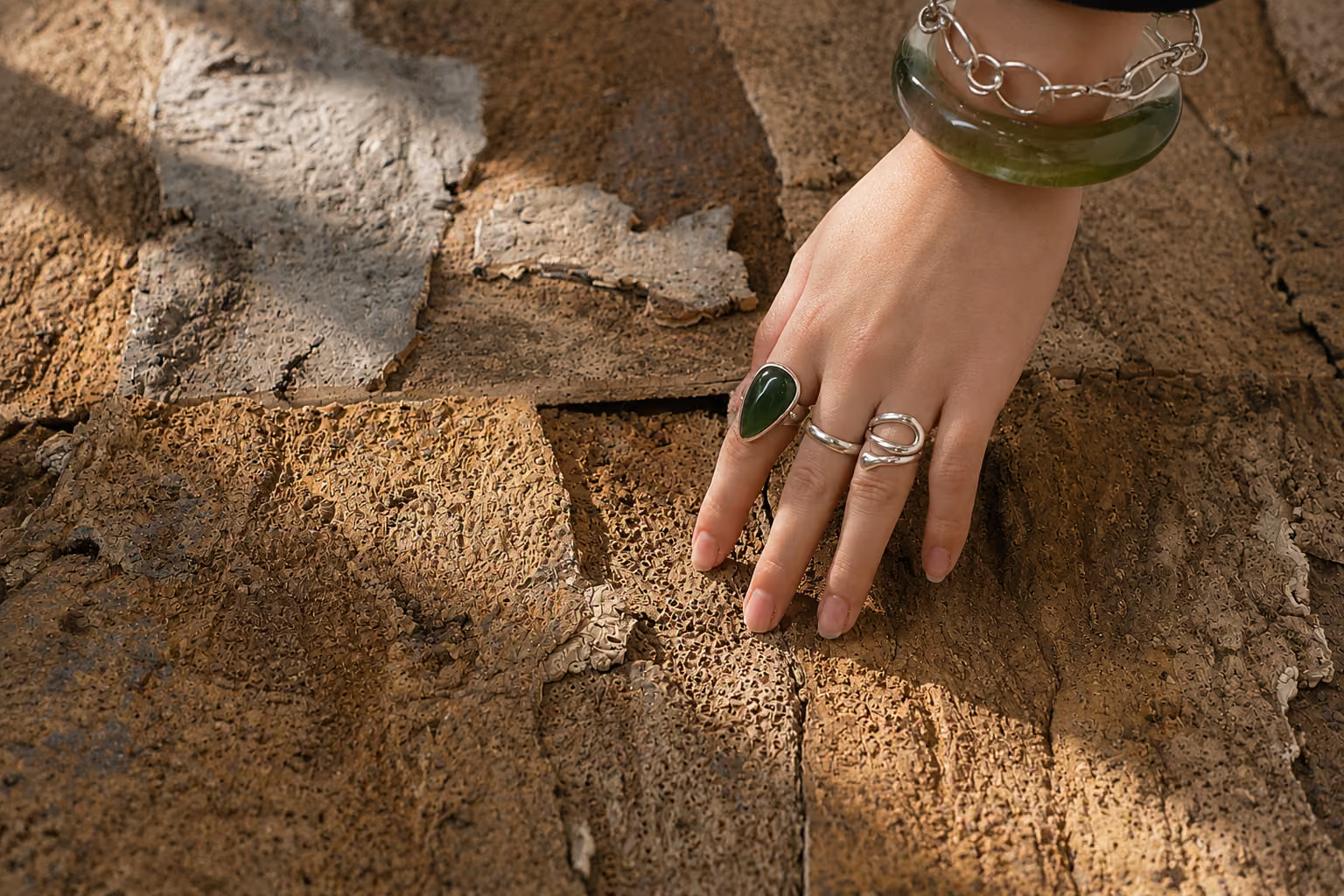
Running alongside the technology conversations was an equally strong desire for grounding and the Domus Grounded Transcendence series gave this the sharpest articulation. The defining material metaphor was the pyrite crystal: entirely natural but looks artificial, accidental but appears deliberate, ancient yet futuristic. Not nostalgia but something more interesting. A tension between what has always been here and what hasn't yet beenimagined.
Scarlet Opus framed the cultural impulse plainly: biophilia is not aesthetic preference, it's a behavioural response to instability. When people feel unsafe, they reach for nature because nature has been here since the beginning and is largely still standing.
Natasha Reid’s point during the Designing Our Way Out of an Apocalypse panel stayed around after the conversation. Life expectancy can vary by up to ten years depending on your living environment. It sounds obvious, of course space affects health, but the significance of it surprised me. We move through our days so focused on getting from A to B that we rarely stop to ask what the environments around us are actually doing to us. Sophie Schuller's talk on the meaning of objects made a similar case: our possessions aren't simply expressions of who we are, they are extensions of it. Design as identity in physical form. Both felt like an invitation to slow down and pay closer attention.
Signal 3: Discernment becomes the premium skill
"Data is historical. Creativity is forward-looking."
Bo Hellberg, String Furniture
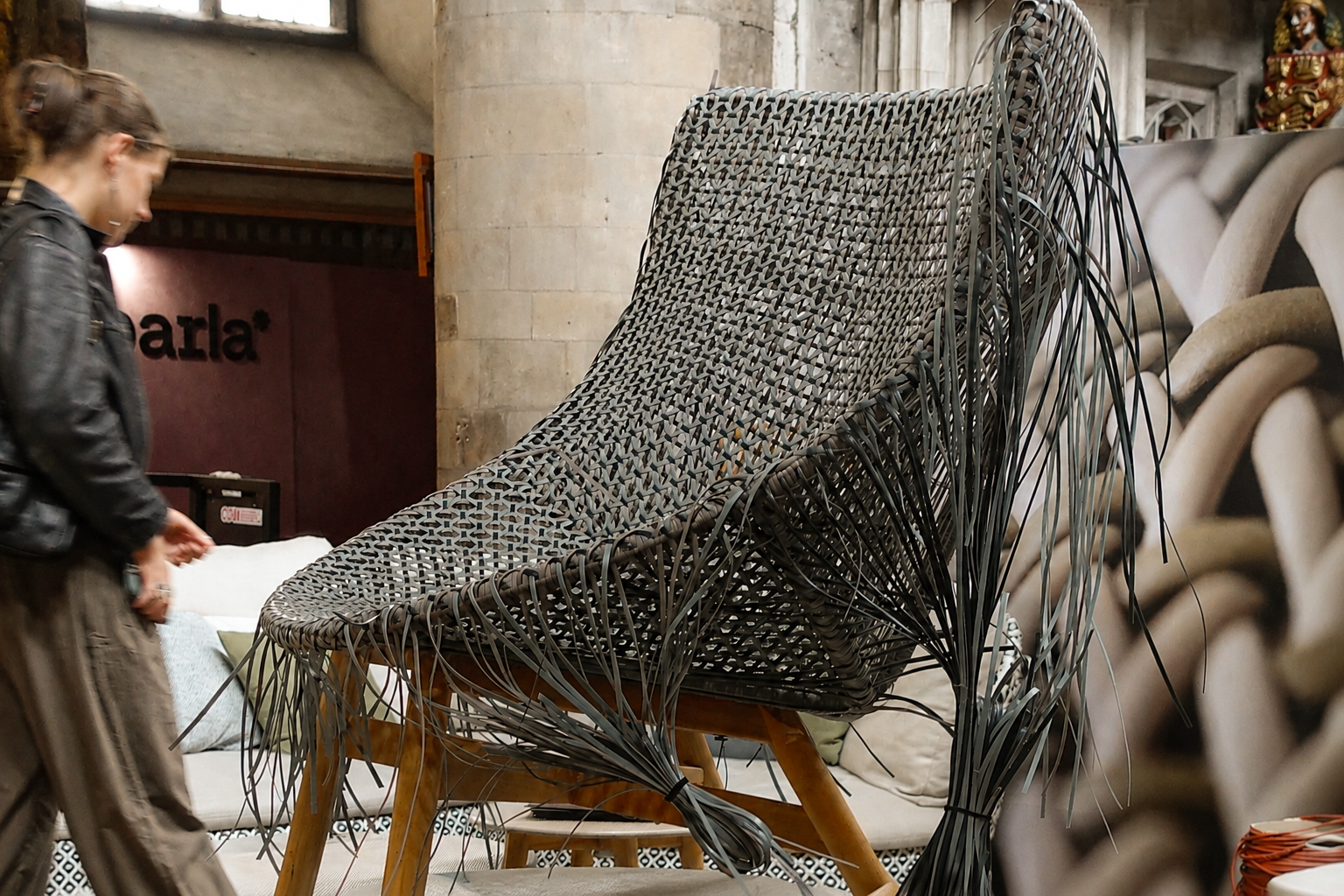
Of all the questions that kept resurfacing across the week, this one felt the most unresolved: what remains distinctly human when execution becomes automated? Across The Trained Hand, the immersive experience discussions and the Bisley talk, the answers converged around a single idea: discernment. Not the ability to produce, but the ability to judge.
The concern isn't that AI generates too much. It's that it generates too much of the same thing. One speaker at The Trained Hand warned of a world of sameness driven by content detached from lived experience or genuine craft. Another described using AI the way a craftsperson uses a well-worn instrument - not to eliminate judgement, but to deepen it. The line that landed hardest was simple: data is historical, creativity is forward-looking. AI works from what already exists. The human in the room is the one pointing toward what doesn't yet.
The Design Milk Immersive Spaces panel pushed this into brand territory with a provocation worth sitting with. We have entered a belonging economy. Brands no longer compete for attention; they compete for participation. Participation, unlike attention, cannot be manufactured through automation or scale. Technology builds the system. Empathy-led design creates the impact. The most durable experiences will be the ones where people sense real human intelligence behind them.
What I felt across all of these conversations was something closer to empowerment than anxiety. The agency, the judgement, and the ability to know when the answer isn't good enough is where the value lies. Walking out of the week, AI felt less like a threat and more like a tool that gets better the more human experience and knowledge you bring to it.
Clerkenwell didn't offer a singular vision of the future. Across conversations on AI, craft, regenerative thinking, immersive experience and the neuroscience of space, the same need kept surfacing: people want the future to feel emotionally survivable. Not just smarter systems, but softer ones. Not just seamless experiences, but trustworthy ones.
Underlying all of this was a more personal question that stayed with me the longest. Anab Jain of Superflux at The Trained Hand asked: what kind of ancestors are we becoming? We obsess over accumulation, over what we extract from our devices and our time. It made the room go quiet and honestly made me feel a little guilty. Paul Cocksedge added to this with something equally honest: that humans are full of contradictions. We know things are bad for the environment, yet we still do them anyway. The friction between wanting to do good and not quite doing it is real, and design lives right inside it.
Anab’s response to that tension was hopeful. Revolutions, she said, are small, dark and murky, but you have to be part of one. Everything moves the dial. It just takes time. Perhaps that’s what Clerkenwell increasingly offers now: not finished answers, but a real-time conversation about what people may need emotionally from the future.
Ultimately, the systems that succeed won’t just be the smartest. They’ll be the ones people feel safest inhabiting.
Want to understand more about what these signals mean for your business?


The Sustainable CMF Index Launch: Key Insights
Collaboration is key when it comes to tackling sustainability challenges. The cross-fertilisation of expertise and ideas broadens knowledge and facilitates a more productive creative space.

Marginal gains: an introspective look at digital sustainability
Our findings around digital sustainability during the creation of our new company website.
The Octopus
Sustainability is a tough nut to crack. Just as you fix one problem, a new one arises. Maybe you've solved an environmental issue but neglected the social aspects.